
-
champion
Fast Mash Champion, through French, derives from Late Latin campio, “warrior” or “fighter,” in turn from campus, meaning “field” In Ancient Rome, such a campus staged military exercises as well as political and athletic events From this campus English also gets such words as campaign, Champagne, a university campus, camp, scamp, and possibly even gambol and jamb Its ultimate origin is unknown, but campus may go… Read more.
-
the stand-up etymologist
Jerry Seinfeld: comedian, actor, writer, classic car collector and connoisseur, and…etymologist? Sure, he’s a master of language, as comedians are. From “This, that, and the other” and “Not that there’s anything wrong with that” to “mimbo” and “mulva,” his punchlines have proven their staying power. But word origins? Yep. And I encountered two from him.… Read more.
-
young & old
Fast Mash Old, through Old English’s alda and the Proto-Germanic *althas, derives from the Proto-Indo-European *al-, “to nourish” or “grow” Some cognates include: alderman, alimentary, altitude, elder, haughty, oboe, proletarian, and prolific Young, through Old English’s geong, derives from the Proto-Indo-European *ieu-, which may mean “vital force” or “youthful vigor” Cognates span the Indo-European language family. from Sanskrit’s yava to… Read more.
-
end
The New Year–so full of possibility, fresh starts, new…endings? End End may seem like such a simple word, but it turns out to be a bit more complex, etymologically speaking. The form of the word has changed little from the Old English ende, where it once also meant, according to Oxford, “termination,” “completion,” “death,” “event,” issue,” “intended… Read more.
-
The origin of “Christmas”
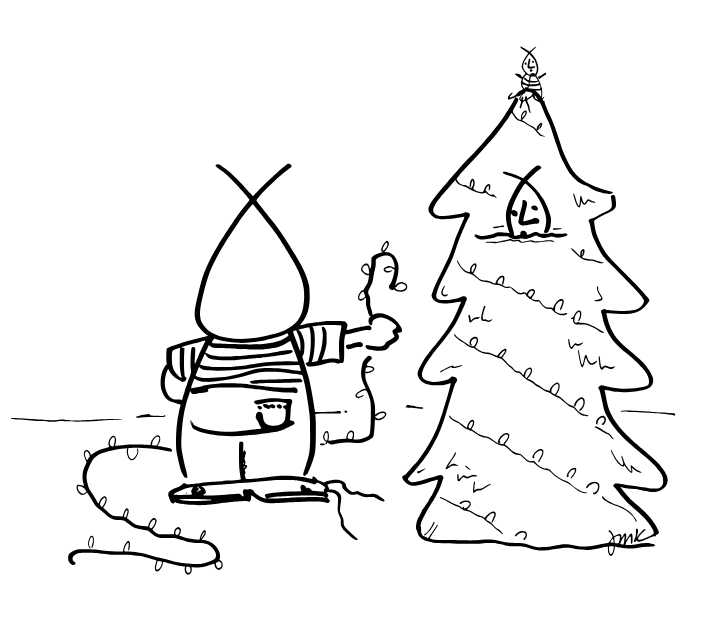
Etymologically, “Christmas” is smeared with oil, then dismissed. Read more.
 Mashed Radish