
Sometimes it’s enough for a name just to be the name.
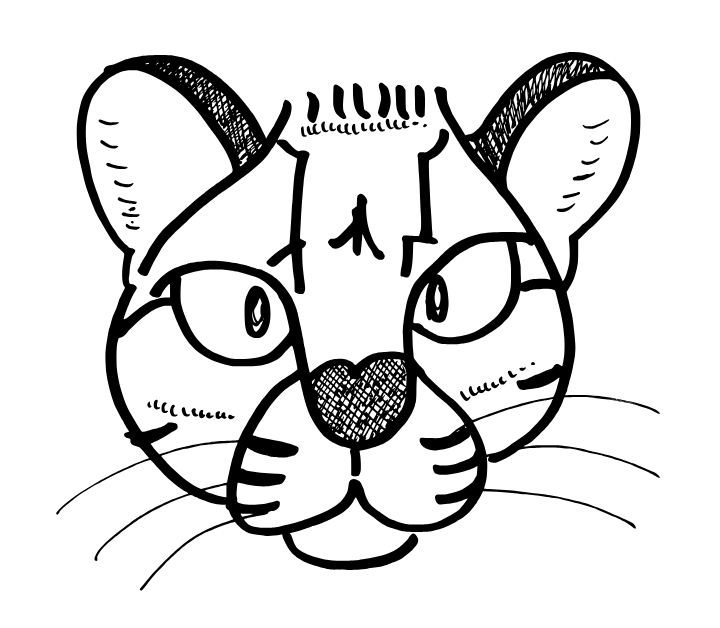
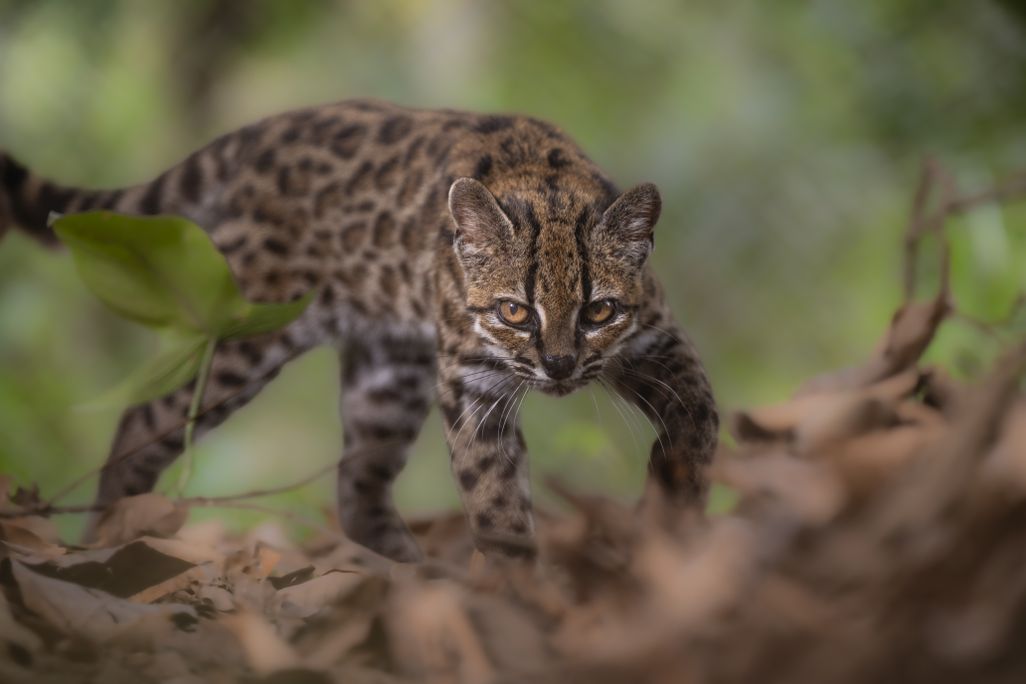
For the first time in over 100 years, scientists have identified a new species of cat.
My first reaction to the news from earlier this month? What’s it called? And why?
OK, of course I also marveled at the sheer fact of the announcement—and leapt like, well, a cat to know what it looked like.
It’s called the tilcayo.
Resembling a leopard repackaged as a mini-house cat, the tilcayo prowls the Yungas, a tropical band in southeastern Bolivia that skirts the Andes.
While new to science, it’s not new to people—a fact so honored in its name.
Never miss a mash! Feed your inner word nerd and subscribe to get Mashed Radish fresh in your inbox.
Tilcayo etymology
Bolivian conversationist and researcher Paola Nogales-Ascarrunz, whose work has been central to the identification of the tilcayo, explained to NBC News that local communities in the Yungas have long known about the tilcayo:
This cat, they call it tilcayo. And when you ask, ‘Does it have some meaning in Quechua or Almyra [Aymara] and other Indigenous languages?’ they say, ‘No, my grandpa told me that’s the tilcayo. This is a traditional knowledge that they have in the community. We want to preserve that knowledge and we didn’t want to give it another name.
Indeed, the new felid’s scientific name is Leopardus tilcayo. And indeed, sometimes names are just names—without any ulterior etymology, either known or necessary.
This is often the case for the names for people, places, and things: the core nouns of our existence. Their forms change. Their sounds change. But at root, they name what they name, an onomastic counterpart to the identity property in mathematics. A = A.
Etymologically, an apple is an “apple.” Water is “wet.” A cat is a “cat,” though the word may ultimately hail from an Afro-Asiatic litter.
There is poetry in the deep metaphors behind many word origins. I think there is also poetry in words that are what they are: agenda-less hunks of sound enduring through time.
Tilcayo’s Leopardus genus includes many members, including the probably more familiar ocelot and Pampas cat.
Ocelot goes back to the Nahuatl ocelotl, meaning “jaguar.” Pampas, referring to extensive, low grasslands in South America, comes from the Quechua pampa, “land, plain, ground.”
Leopard, for its part, derives from the Greek leópardos (λεόπαρδος), literally a “lion pard.” A pard is now an archaic word for a panther or leopard.
Any other votes for nicknaming the tilcayo and its fellow tiger cats pardlings?
A clowder of cat-related word origins stalk the archives of Mashed Radish, from the “dog” of jaguar to the “shag” of caterpillar.


Leave a Reply