
Donald Trump continues to divide poles and conquer polls. His supporters hear his rhetoric as “straight talk” while his opponents hear it as bluster and bombast. Both can agree there is little softness to his style – except, ironically enough, for the origin of the very word bombast.
Bombast
The Oxford English Dictionary (OED) cites bombast as “high-sounding language on a trivial or commonplace subject” as early as the 1580s. In today’s usage of the word, I would argue that bombastic politicians may not be ranting on necessarily trivial matters, and nor necessarily in a highfalutin way, but their language is nonetheless “inflated” or “turgid,” as the OED additionally defines it.
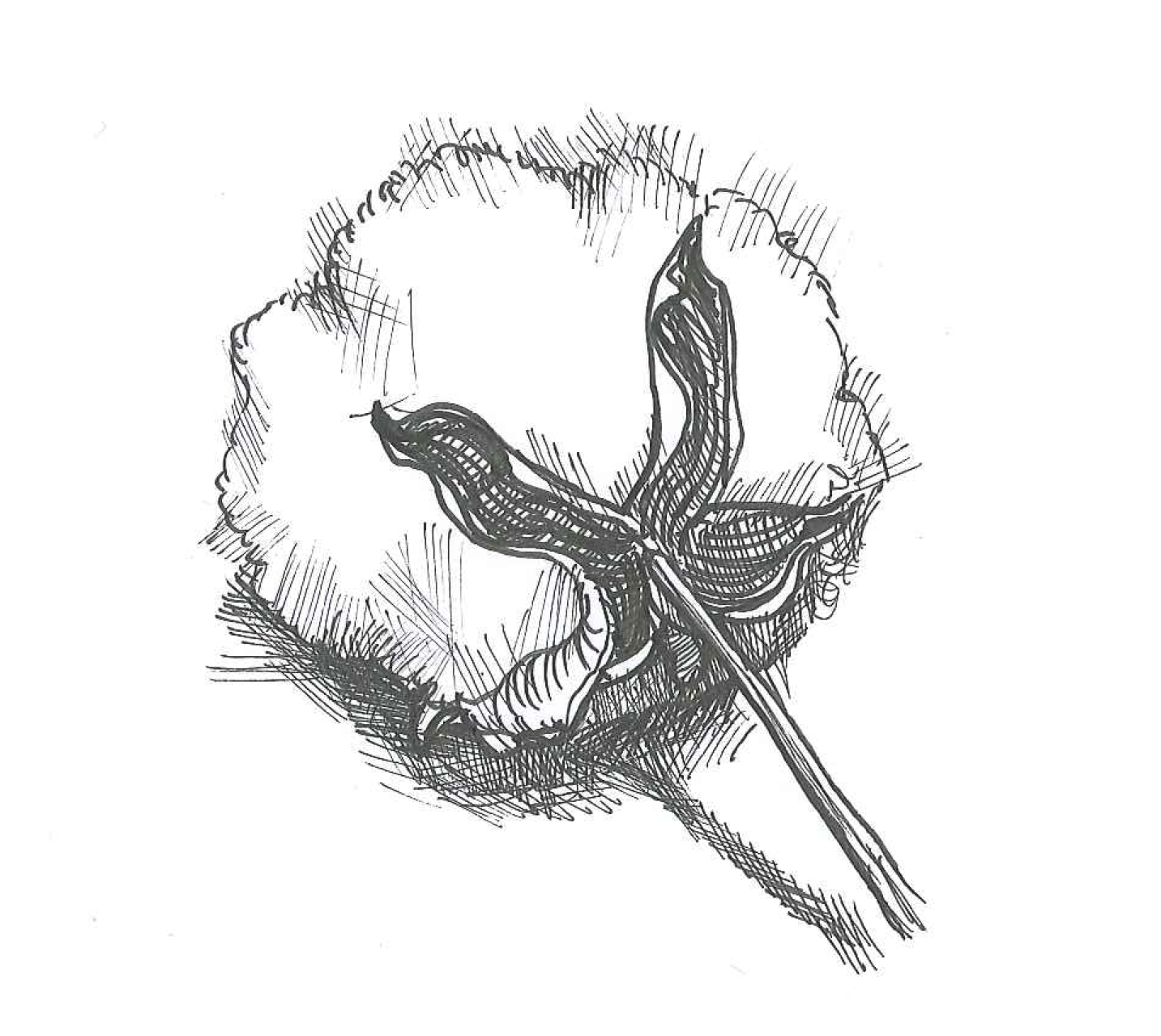
Turgid? That might sound a bit bombastic to 2015 ears. Let’s try “puffed out,” which points us to the earlier meaning of bombast. See, at least since the 1560s, bombast was once “the soft down of the cotton-plant.” The word is a variant of bombace, which appears earlier in the 1550s, and which, for one reason or another, got padded with a t at its end. By the 1570s, bombast was “padding or stuffing for clothes” and any “padding” or “stuffing” more generally. We can pad or stuff our language, too, making something petty sound quite grand. Hence, bombast.
Bombace comes to English from the Old French bombace, in turn from the late Latin bombax. Both terms referred to “cotton.” But Latin’s bombax originated from something yet softer: “silk.” Etymologists think bombax got confused with bombyx (“silk”), taken from the Greek βόμβυξ (bombyx), also “silk” as well as the “silkworm.” This “silk” may direct us to yet more eastern climes, for the Greeks may have borrowed bombyx from a language there; scholars point to words like the Persian pamba as potential sources.
As the OED also notes, another early figurative use for bombast was a “stopping of the ears,” as you can imagine. It seems bombast is one way to deal with all the bombast. Bombax!, as the Ancient Romans may have interjected. Indeed, this delightful homonym was a way to cry, as I think this etymology so evokes, “Strange! Indeed!”



 Mashed Radish
Leave a comment