
Words, gourds, marriages. Perfect in, perfect for their imperfections.
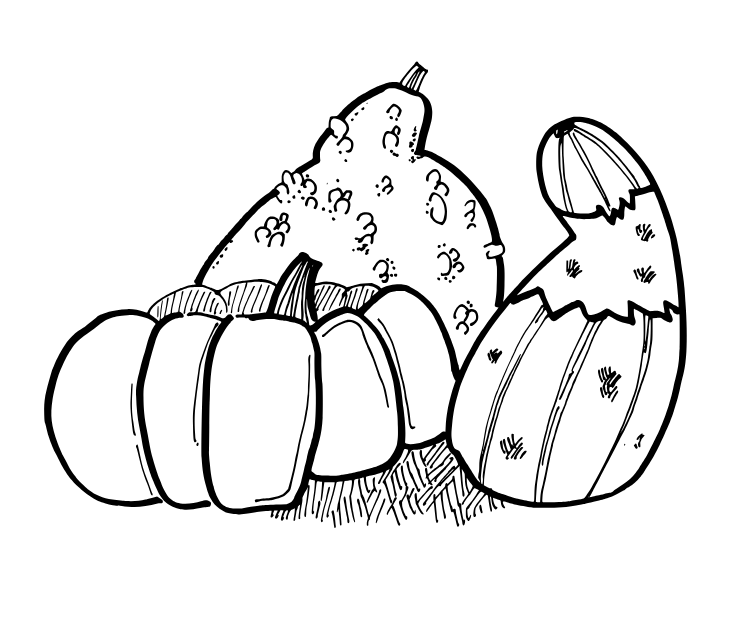
It’s decorative gourd season, radish mashers.
That expression—from the more swearily titled viral 2009 McSweeney’s essay by Colin Nissan —came to mind as mottled and misshapen mounds of gourds greeted me at the store the other day.
I noodled over a knobby number, witchy and warty. I traced a noodly neck curling out of a haunted-hued pot-belly. I regarded a crisp, pygmy pumpkin, which I was delighted to later learn is sometimes called a Jack-Be-Little. I inspected a squat but shapely specimen. Clayey in color, like creamy earth. But stripy. And splotchy and blotchy with green.
(Oh, decorative gourds bring out an ornamental oratory all its own, bumpy with descriptors contentedly ish and honestly -y as they approximate meaning just as so many of these funky fruits guess at their geometry.)
“Perfect.” I dropped it in my basket, where it joined a bouquet and card for my wife, Olivia. Prithee, reader, recall meeting Olivia, who recently “failed” to become a Woman of Independent Mind in the Jane Austen Game I reviewed. But she did make it to (read: survive) two years of marriage with me, the anniversary of which we celebrated this week.
Perfect as a presentational companion to the seasonal flowers. Perfect because decorative gourds always remind me of Olivia, from whom I first encountered Nissan’s essay—and with whom I always associate the phrase “decorative gourd season.”
And perfect for a blog post. Gourd. What on earth, what in earth, is this word about?
Never miss a mash! Feed your inner word nerd and subscribe to get Mashed Radish fresh in your inbox.
The etymology of gourd
The gourd family, scientifically known as Cucurbitaceae, makes home to hundreds of species as varied in shape, size, and color as they are in number. Some more familiar members are pumpkins, melons, squashes, and cucumbers, fruit of their tendrilled vines. We eat those, but in everyday language, we typically reserve gourd for those we don’t—those inedible, hard-shelled specimens in whose contortions and contusions, blemishes and bruises, we find, each fall, beauty to decorate our tables and doorsteps.
I like to think that the origin of the word gourd mirrors its likeness—it’s a little lumpy. Recorded since the 1300s, gourd comes from the Anglo-French gourde, ultimately from the Latin cucurbita, “gourd.” This French gourde, developing from the Old French coorde, no doubt pruned sounds from its Latin root, but not in a fussy way, as if snipping back syllabic tendrils to reveal the fruit’s authentic form. Plump, protuberant. Gourd.
The Latin cucurbita indeed produced the gourd family’s technical title of Cucurbitaceae as well cucurbit, another word “gourd.” And from what etymological ground sprouts the cucurbita? We don’t know. It’s tempting to connect it to cucumis, the Latin word for and source of English’s cucumber. Gourds are among the oldest cultivated plants, and have long been used not only as food but as utensils, containers, musical instruments, decoration, even sponges for washing the body, as is the case for loofahs. Yup, those are gourds. (The common names of many gourds, like dipper gourd and bottle gourd, aptly reflect their instrumentality. And botanists, of course, still breed them, including some of the more clownish articles sold today.) Perhaps Latin’s cucurbita came from trade, conquest, or other cultural contact. Perhaps it just sprung from some native soil. The names of food can be ancient, autochthonous.
The origin of out of one’s gourd
Now, in Latin, cucurbita didn’t just refer to cucurbit plants and their fruit. It could mean “cup” or “cupping-glass,” thanks to the gourd’s shape and uses. It could also mean “dolt.” Like our pumpkin-head. Or cabbage-head. Or turnip-head. Detect a theme? Foods—especially dense, hollow, humble produce that even resemble the human head or body—have long lent themselves as insults for the dull and dim-witted. Gourd, too. According to the great slang lexicographer Jonathon Green, gourd has been slang for “head” since the 1830s, gourd-head for “fool” since the 1850s. To be off one’s gourd or out of one’s gourd, or “crazy” or “delusional,” goes back to the 1960s, originally said of someone intoxicated. All of these applications of gourd are first and primarily cited in American slang.
***
“Perfect.” Perfect, too, in their imperfections. Words. Gourds. Marriages, as we so often learn through their seasons. Where they are better, realer, wiser, sturdier, more lived in—warts and all. Happy anniversary, Olivia. Happy decorative gourd season.


 Mashed Radish
Leave a reply to The many-layered etymology of “onion” – Mashed Radish Cancel reply